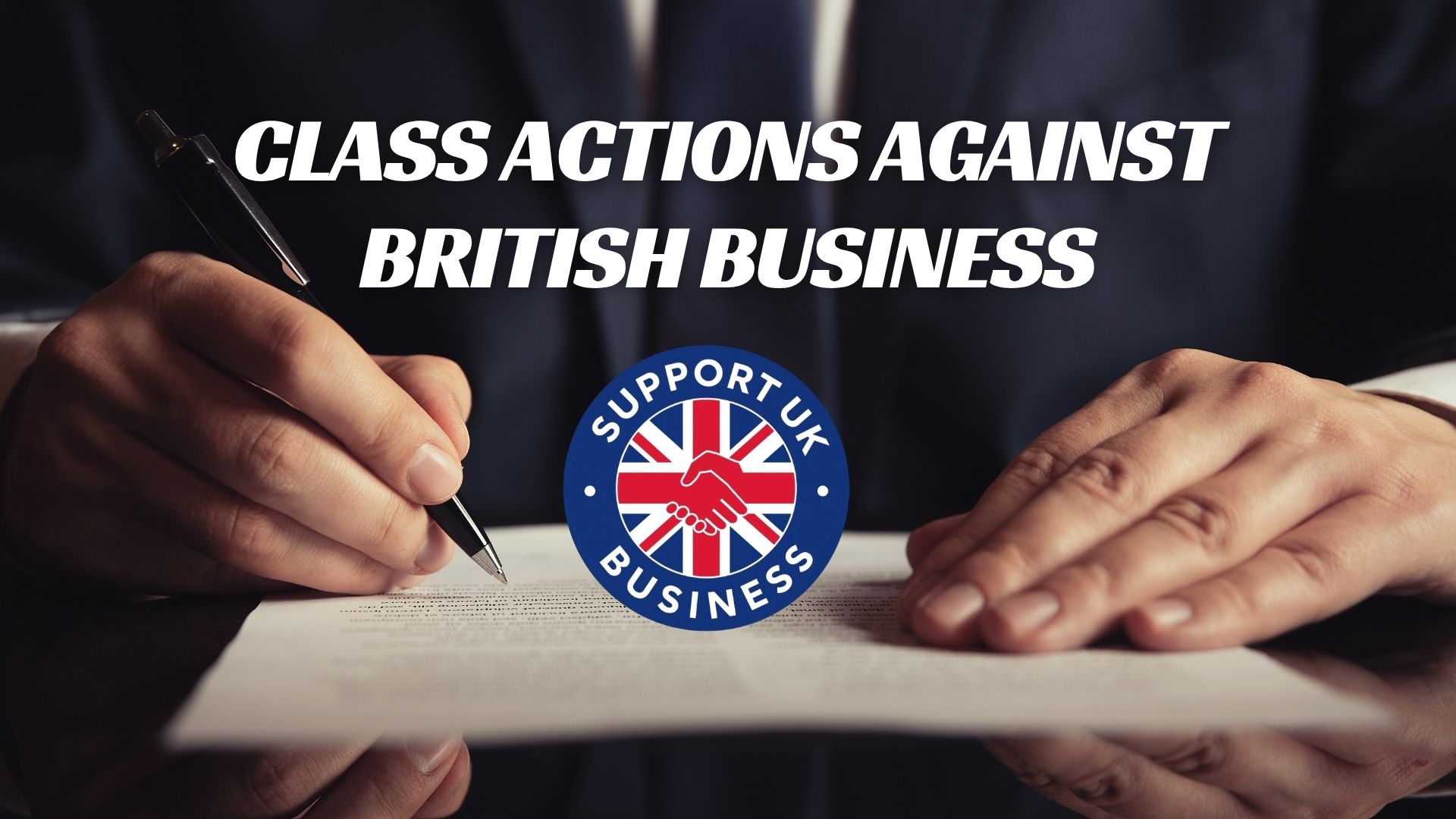
As British businesses continue to navigate a difficult economic climate, there is a growing need to ensure that the legal and regulatory environment supports enterprise rather than stifles it. Companies should always be held to high standards, and where customers, workers or communities have been treated unfairly, there must be proper routes to redress. But as class actions and large-scale group claims become more common, we must also ask whether Britain is drifting towards a claims culture that risks weakening the very businesses we should be backing.
Across the country, major employers, retailers and household names are increasingly facing large-scale legal action, often supported by specialist claimant firms and litigation funders. These cases are all different, and some raise serious issues, but the wider trend matters because the cost of this litigation is not limited to the final settlement. These claims can mean years of time, legal fees and reputational damage, which ultimately diverts money away from jobs, training and long-term growth.
We have already seen major cases in the UK involving well-known names:
- Mastercard became one of the most high-profile examples of the new collective action environment, with a long-running claim brought on behalf of millions of consumers over card transaction fees.
- British Airways faced group litigation following its 2018 data breach, showing how a cyber incident can quickly move from an operational problem into a major legal process.
- Major retailers including Tesco, Sainsbury’s, Asda, Morrisons and Next have faced large-scale equal pay claims, raising serious questions for some of Britain’s biggest high street employers.
- M&S, Co-op, and other trusted brands have also shown how quickly challenges around cyber security can become not just operational issues but legal, financial and reputational ones too.
- BT successfully defended a £1.3 billion claim over landline pricing, but only after years of legal uncertainty and significant reputational scrutiny.
For our heritage brands, this matters deeply. These businesses are employers, suppliers and community anchors. They support high streets, pension funds, British farmers, manufacturers, logistics networks and families across the country. When businesses of this kind are pulled into years of uncertainty, the consequences are felt far beyond the boardroom.
Britain should be weary of importing some of the most damaging elements of the American litigation model, where legal action too often becomes an industry in itself. Access to justice is important, and businesses must be expected to put things right when they fall short, but accountability should be fair, practical and proportionate. Too often, the greatest beneficiaries of mass claims are not ordinary consumers, but lawyers, claims firms and litigation funders who profit from turning business disputes into large-scale legal campaigns.
Backing British business means recognising that British enterprise is worth protecting, and that the companies which create jobs, support communities and invest in Britain, need the confidence to grow. If we want a stronger, more resilient economy, we must build a climate where businesses are held accountable, but not constantly undermined by a claims culture that damages confidence, weakens investment and puts British success at risk.